jewish burial customs in bible times
The first explicit reference to burial is in conjunction with the death of Sarah. 3 Grace and Knowledge Journal.

Pin On Biblical Illustrations By Gustave Dore
The human body is considered as sacred in death as it was in life as it contained a Gdly soul.

. Others were merely customs or even just. Insights from Burial Customs. Then took they the body of Jesus and wound it in linen clothes with the spices as the manner of the Jews is to bury xv John 1940.
This is believed to be the tomb of the priest who was mentioned in the Gospel of John one. Kevura or burial should take place as soon as possible after deathThe Torah requires burial as soon as possible even for executed criminals. According to Jewish law a Jew is to be buried as he was born - complete with all his limbs and organs.
In both ancient and modern Jewish practice the body is ritually washed in a process called. Then a year later after the decay of the body. Perhaps one of the stronger horrors that a Jewish person could imagine was stated in Psalm 78.
The Scriptures laid down quite firmly that no dead body was to be left unburied even those of ones worst enemies. The Jewish people took the burial of the dead quite seriously. 4 Brigham Young University Idaho.
Today that typically means washing and possibly embalming. 4 The formal period of mourning lasted for seven days a practice with ancient roots Gen 5010. Preparation of the Body.
Burial Burial Customs. Funeral Customs -- Past and Present. In most cases the dead were carried out to the burial-place upon a bed or bier miṭṭah II Sam.
One very important tomb located here is the Tomb of Annas. Perhaps one of the stronger horrors that a Jewish person could envision was stated in. Matthew 2759 Mark 1546 and Luke 2353 describe Jesus body being wrapped in linen cloth not in a linen cloth John 1940 is much more specific describing strips of linen cloth not a single sheet as is the Shroud of Turin in accordance with Jewish burial customs.
In the Digesta compiled by Romanemperor Justinian in the sixth century AD 530533 but comprising a great deal of law from the first and second centuries we find important and relevant material in chapter 24 of book 48All three of the paragraphs that make. Eulogies are read by the rabbi as well as a few family members. Then the body was wrapped in a shroud the face.
The Scriptures laid down quite firmly that no dead body was to be left unburiedeven that of ones worst enemy. Burial Customs During the Time of Christ. As soon as death was certain the deceaseds eyes were.
In biblical times it was the obligation of a Jewish family to care for their dead and bury or entomb them but it was also regarded as one of the laws of humanity not to let any one lie unburied. 2 Visual Bible Alive Resource Center. Xiv Some of the spices could have been used for the burial couch.
Roman law regarding the burial of the executed is far more nuanced and lenient than many suppose. In larger communities it became common for individuals or informal volunteer groups to aid those who would struggle with the effort due t. In Biblical times persons especially of high rank were arrayed at burial in the garments ornaments and weapons which they had worn in life I Sam.
Based on Jewish laws traditions and customs a Jewish funeral usually takes place within one day following the date of death and these are solemn and reflective services followed by a gathering at the mourners home which marks the beginning of shiva. 26 were not in general use in Biblical times. According to the Jewish Encyclopedia this custom stems from the Mosaic Law which ordered that any person hung from a tree or cross as a form of execution should be taken down and buried within a day after death.
A death in the family immediately caused grief and lamentation expressed in numerous forms some of which were required by the Halakah the authoritative Jewish way of life found in various sources including the obligations of the husband to his deceased wife. He must be buried in a traditional grave in the ground so that the body may return to the earth. The Jewish people took the burial of the dead quite seriously.
1 Time of Burial. According to Mishnah Sanhedrin 66 a corpse should be kept unburied overnight only on rare occasions. Compare II Kings xiii.
Burial in vaults above-ground mausoleums. The first ritual that remains to this day is that every person who has died must be prepared for burial. 21 and the story of the sham funeral of Johanan ben Zakkai Giṭ.
The first seven days following the funeral is known as shiva and the mourners generally. Readings at the beginning of the funeral are frequently Psalms 23 15 24 90 and 103. Burial is delayed for the honor of the deceased usually to allow more time for far-flung family to come to the funeral and participate in the other post-burial rituals but also to hire professionals or to bury the deceased in a cemetery of their.
Evans began his lecture by explaining that in Jesus time bodies were washed wrapped and scented for their initial entombment on the day of death. The traditional Palestinian preference for prompt burial continued throughout the first century. One of the most popular memorial prayers asks God to grant perfect peace to the departed and to remember their good deeds.
Tomb of Annas PhotoBiblical Archaeology Society Just south of Jerusalem is a place called Akeldama. Coffins though used in Egypt Gen. In Jesus day the body was washed and anointed with expensive perfumes like nard myrrh and aloes.
In Mark 538 funeral preparations for Jairuss daughter begin right away and in John 11 Lazarus is buried on his day of death. This was the way a community paid their last dues to the one who had died. This was in accordance with Jewish burial customs.
Dignity Memorial Jewish has many prayers for this occasion. These typically weigh anywhere between 40 75 pounds. At this location there are many 1st century tombs which have also been cut out of the rocks.
8 3 κλίυη. The Hebrews buried their dead immediately no later than a day after the person passed away. Ancient Jewish Burial Practices and the Gospels.
2 stringed bales are typically 16 inches tall. It was the way a community paid its last respects to the one who died.
Death And Burial Life In The Time Of Jesus Libguides At Mater Christi College

Ancient Tombs Burial Customs What Archaeology Shows Abraham In The Bible Ancient Tomb Bible Art
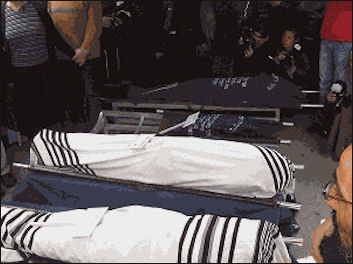
Jewish Funerals Customs Practices Mount Of Olives And Cremation Facts And Details
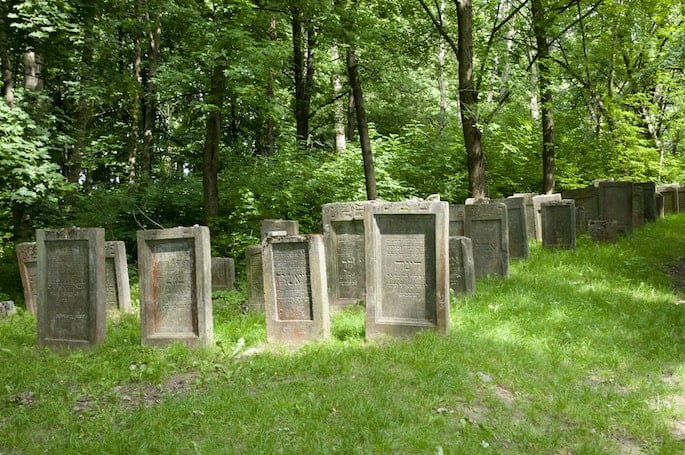
The Grave In Judaism Death Mourning

Jewish Traditions For Death Burial And Mourning Rohatyn Jewish Heritage
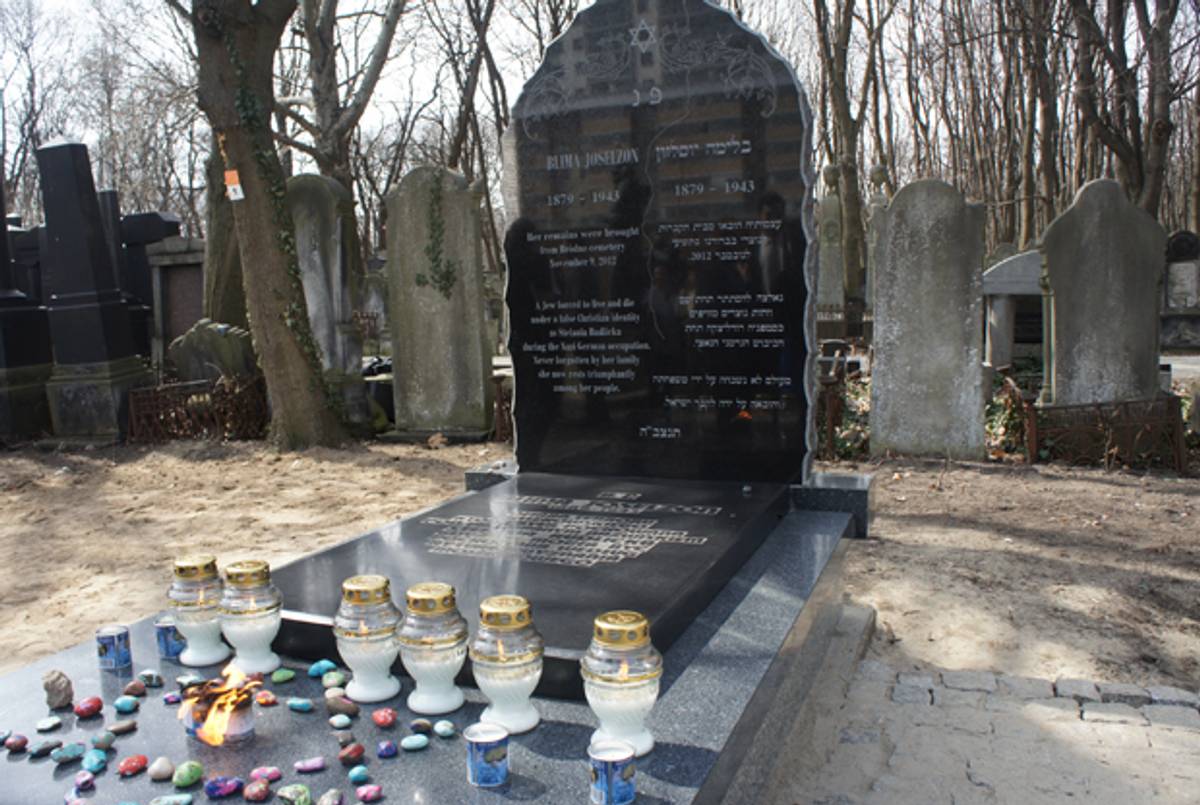
A Jewish Woman Who Died In 1943 Finally Gets A Jewish Burial Tablet Magazine
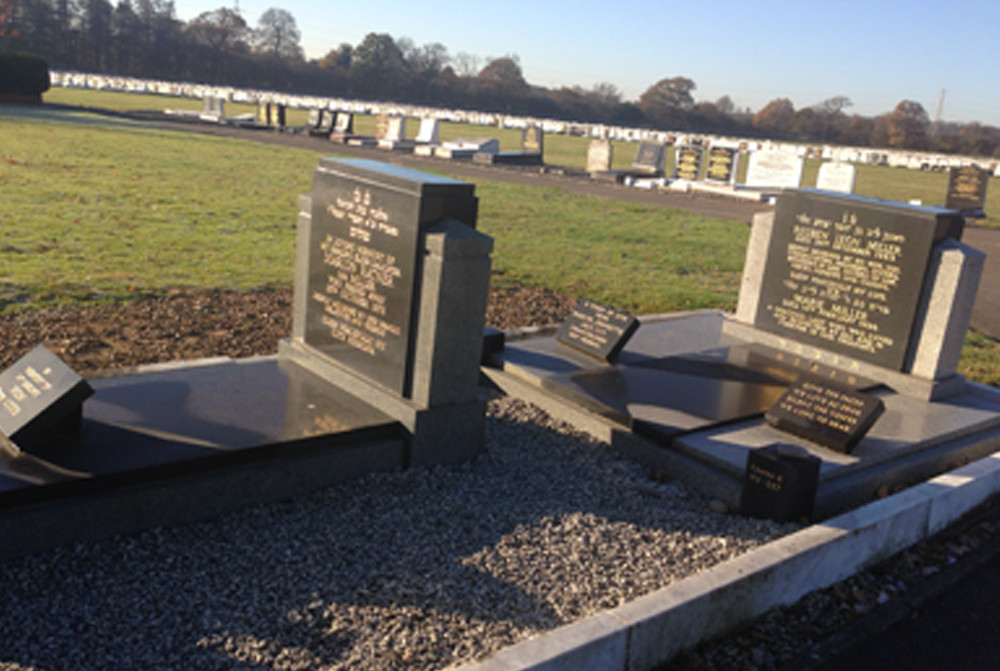
Jewish Funeral Practices

Basic Laws Of A Jewish Funeral Death Mourning
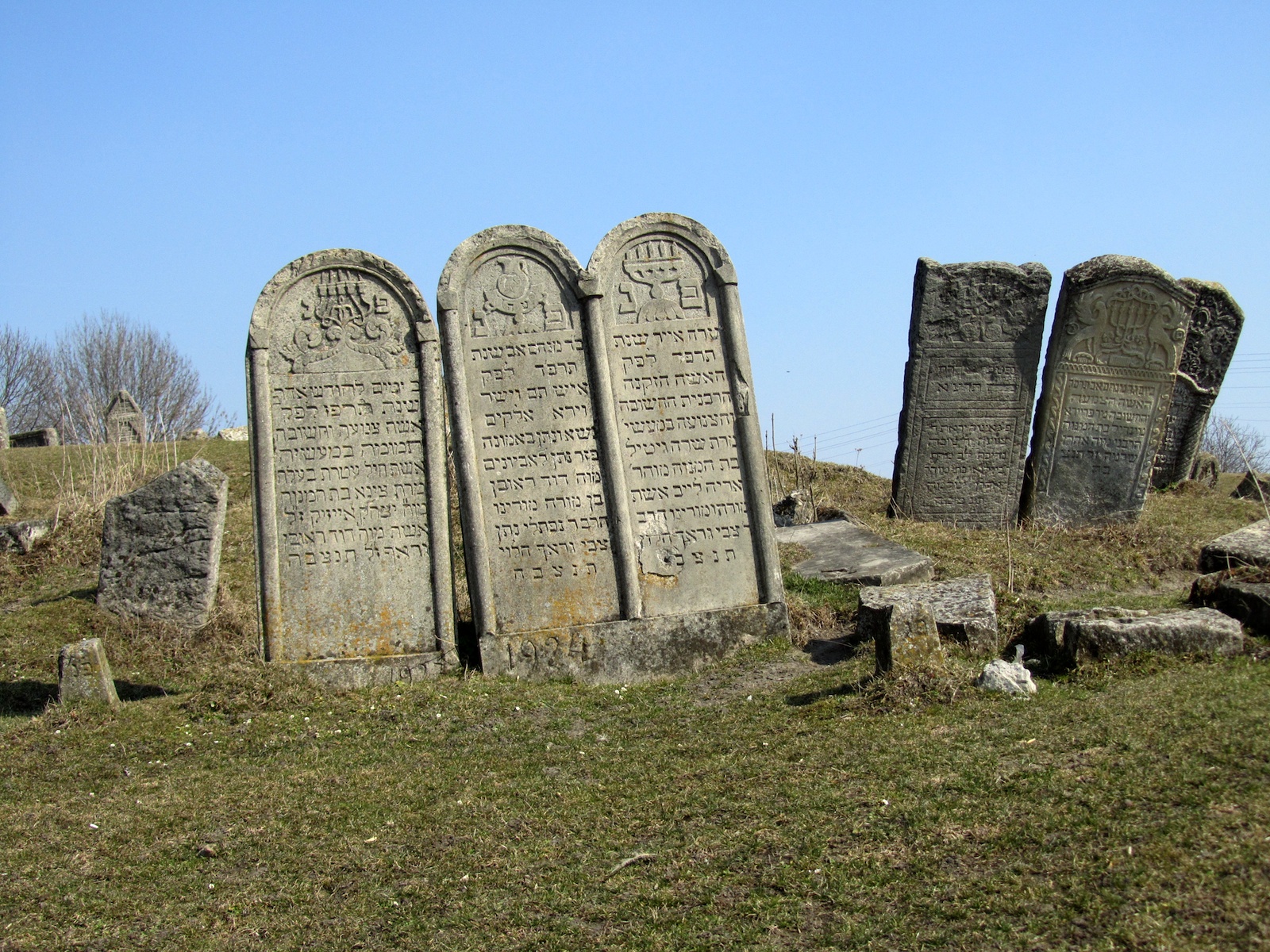
Jewish Traditions For Death Burial And Mourning Rohatyn Jewish Heritage
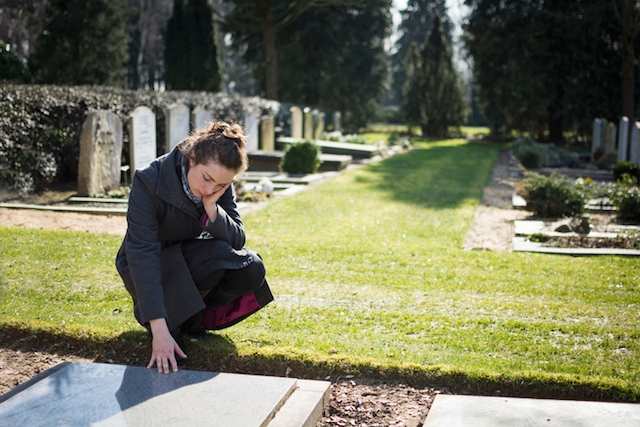
Timeline Of Jewish Mourning My Jewish Learning
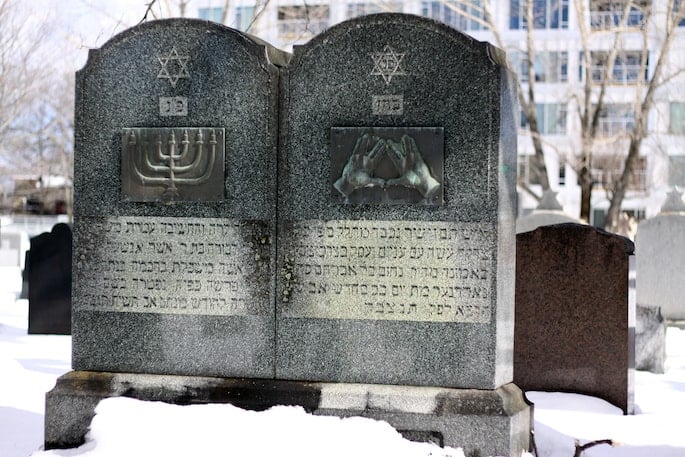
A Jewish Burial And Procession Death Mourning

A Timeline Of Cemetery Vandalism Targeting Jewish Burial Grounds Jewish Exponent
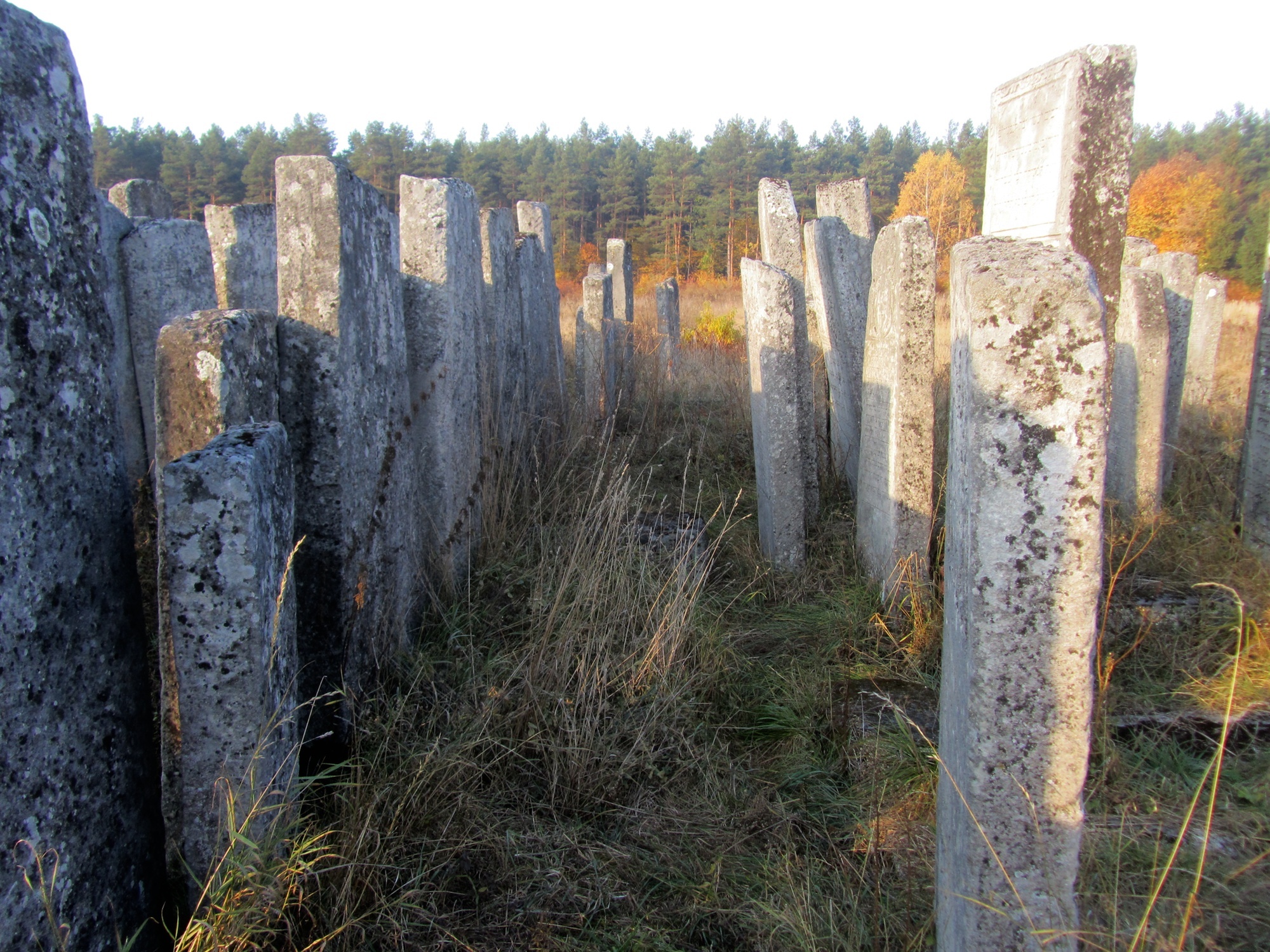
Jewish Traditions For Death Burial And Mourning Rohatyn Jewish Heritage
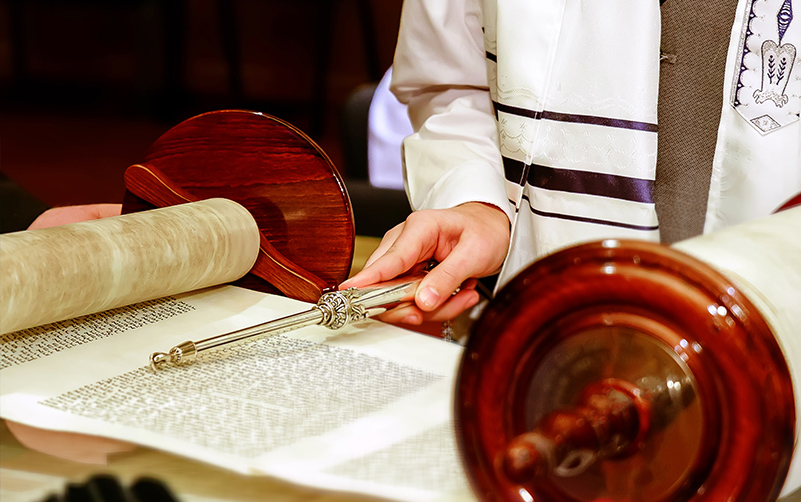
Jewish Funeral Customs Funeral Partners
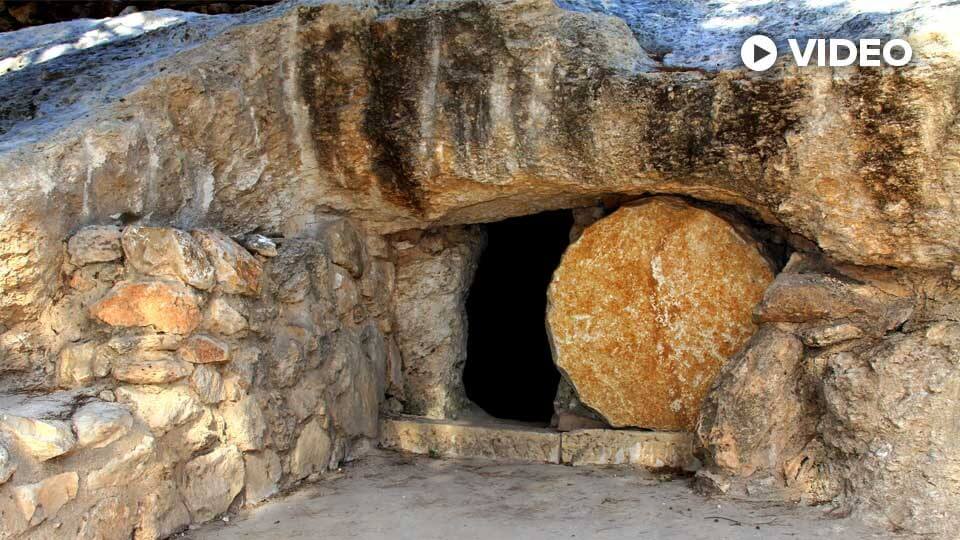
The Tomb Of Jesus First Century Jewish Burials Sagu
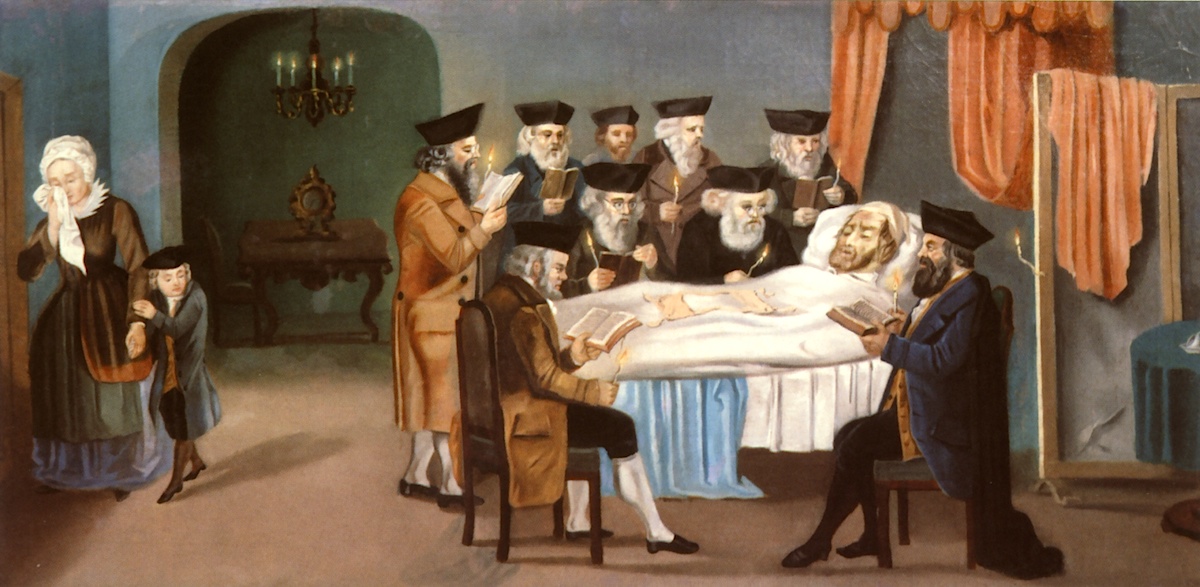
Jewish Traditions For Death Burial And Mourning Rohatyn Jewish Heritage

Pin On Genizah And Jewish Book Burial Services
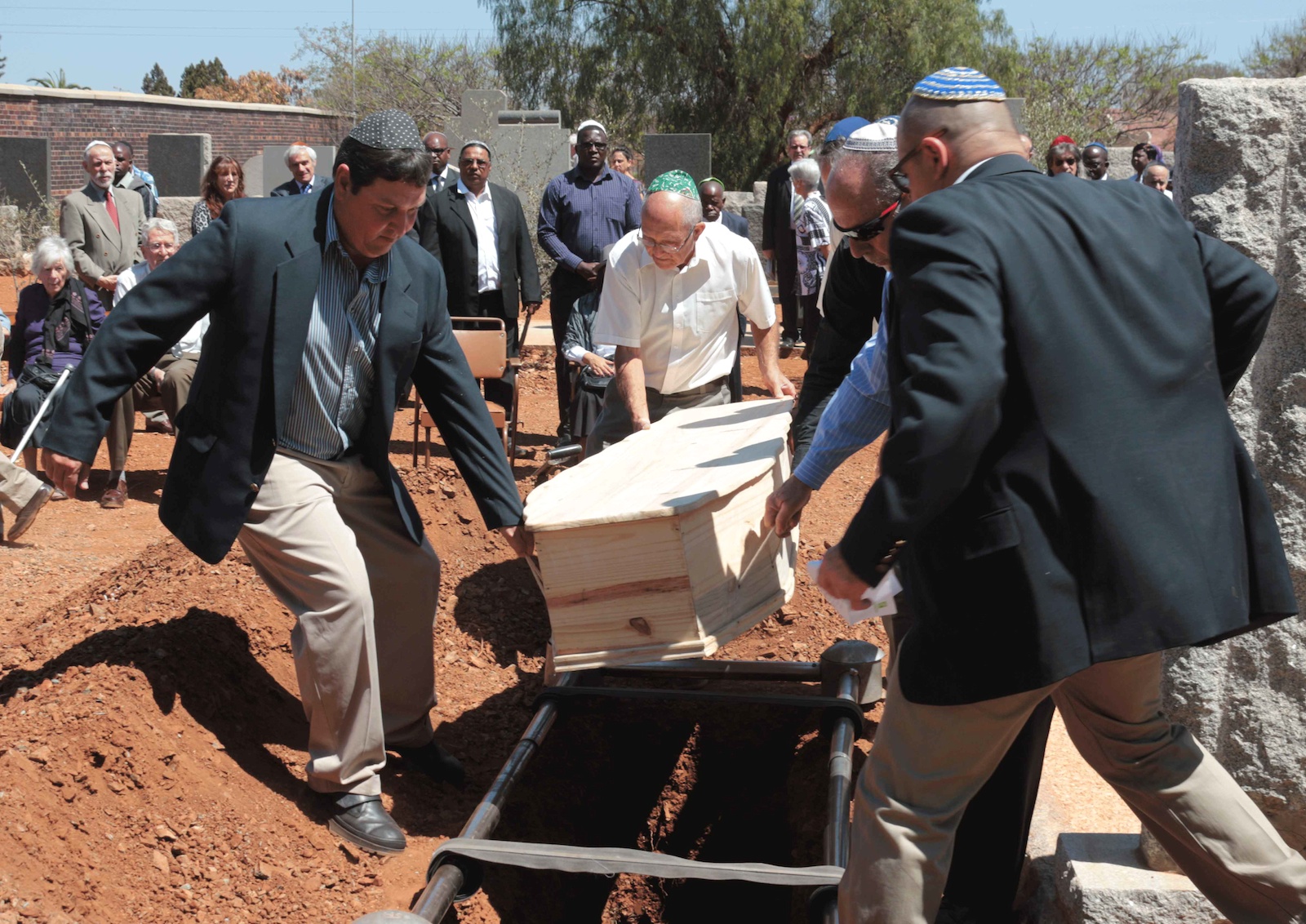
Jewish Traditions For Death Burial And Mourning Rohatyn Jewish Heritage

Jewish Traditions For Death Burial And Mourning Rohatyn Jewish Heritage